
Elsa spends her whole life hiding. The gloves, the door closed, the song her parents taught her to sing in her own head: conceal, don't feel. The magic is the problem. The magic is what makes her dangerous. The magic is the thing everyone else will be safer without.
And then, halfway up a mountain, alone, with nobody left to protect, she lets it go. The gloves come off. Ice arcs out of her hands like it's been waiting there her entire life. She builds a castle out of something that used to be a secret.
That moment. The exhale that sounds like a decade of held breath. The sudden expansion of someone who's been folded small for too long. That's what the magician brand archetype feels like when it's real. Not a marketing position. Not a spiritual aesthetic. The lived experience of finally stopping the suppression of something that was always yours.
I know this one because I lived it. Not in a cinematic ice-castle way. In a much quieter, much more private way. After years of building a compliant, professional version of myself that fit inside corporate structures, I got back on a stage and sang. The version of me that had been folded into an auditor's uniform didn't disappear when I changed careers. She came back when my voice did. The magician had always been there. She just needed the door to open.
Magician Brand Archetype
"I make the invisible visible."
What the Magician Brand Archetype Actually Is
The magician brand archetype is one of 12 brand archetypes rooted in Carl Jung's psychological framework. Sometimes called the Alchemist, the Visionary, or the Sorcerer. Its core desire is transformation. Its gift is catalytic change. Its task is to help people cross thresholds they could not cross alone.
Most articles will tell you the magician is the "mystical one." The tarot decks and moon phases. The healer with the aesthetic. And that is such a shallow reading of this archetype that I want to correct it in the first paragraph and move on.
Real magician energy is not aesthetic. It is perceptual. The magician is the one who can see what you can't see yet. The pattern you're inside of. The version of yourself you've buried under years of external instruction. The thing you keep circling but can't quite name. A magician looks at you and sees it, and then finds a way to hand it back to you in a form you can actually receive.
The magician is the visionary. Not in the startup-founder sense of "I have a big idea." In the older, more literal sense. The one who sees. And then, because seeing alone is not enough, the one who translates what they see into something that transforms the person in front of them.
My conscious earth gate in Human Design is Gate 41 — the patient dreamer. The starter energy. The gate that initiates a whole new cycle of human experience before anyone else senses the shift is coming. That is the magician in me, and it's the part of me that has always quietly known what a client's brand wants to become long before they can articulate it themselves. When I read a Human Design chart, I'm not cross-referencing a textbook. I'm watching a pattern assemble itself and then translating it back into language that the person can hold.
Magician Brand Visual Identity
Magician is DEPTH. That's the visual principle underneath everything. Not just "mystical." Not just "dark and moody." Depth. A sense that the image you're looking at is hinting at more than it's showing. The viewer's eye is being pulled into something, not just at something.
Deep purples. Midnight blues. Emerald. Silver. Firelight. Cinematic chiaroscuro where the shadows do as much work as the light. Symbolic imagery that rewards a second look. Stars, smoke, flame, mirrors, thresholds, doorways, hands, eyes. The visual language of a magician brand should feel like walking into a low-lit room where something is about to be revealed.
When I build magician-coded visuals for an AI photoshoot, the images carry a specific quality. The subject looks like they're holding a secret they're about to share. Direct eye contact that's not challenging, the way rebel eye contact is, but revealing. The light touches the face in a way that makes the person look pulled out of darkness rather than placed in front of a backdrop. Fire appears often in my own magician shots because it's the element that feels most honest to the way I work. Contained, controlled, transformational, impossible to fake.
Magician Brand Visual Direction
A magician brand can be sleek and modern — not every magician is draped in velvet. Tesla is a magician brand and it looks like a silicon future, not a tarot deck. The principle stays the same though: the brand should feel like it's revealing something, not just displaying it. The visuals should carry the sense that more is going on than the surface is telling you. That under-current is the magician signature.
How the Magician Archetype Shows Up in Your Business
Magician-led brands don't just look different. They operate differently. Most archetype articles stop at colour palettes and type choices. I want to talk about what it actually means to run a business on magician energy, because this is the part that nobody else is going to explain correctly.
How magicians write
Magicians write in a way that makes the reader feel seen. The sentences often have a quiet weight to them. They reveal something about the reader back to the reader. Good magician copy doesn't tell people what to do — it shows them a version of themselves they've been avoiding, and then offers them the way through. The language is precise, not decorative. A magician says what needs to be said with fewer words than most brands use to say less.
How magicians price
Transformationally. A magician's price reflects the scale of the shift, not the hours of delivery. This is the hardest thing for magician-led brands to learn, because there is always a voice whispering that charging for transformation is somehow inappropriate. It isn't. The alternative is giving the work away, burning out, and having nothing left for the people who actually need it. A magician who undercharges is a magician who disappears.
How magicians handle "can you just tell me what to do?"
They don't. That request is the client asking for someone else's instructions, and the magician's entire reason for existing is to return them to their own authority. I use Human Design and brand archetypes not to give people a formula, but to give them back their own clarity. The work is showing the pattern, not installing one.
Who magicians attract and repel
Magician brands attract people who feel they've lost the plot of themselves. People who used to know what they were doing, and then got tangled up in other people's advice, other people's frameworks, other people's definitions of success. They come to the magician because they need someone to hold up a mirror that doesn't distort. I work with a lot of people who are quietly brilliant, publicly confused, and privately exhausted by the gap between who they are and how they're showing up.
What magicians repel: anyone who wants a quick fix or a five-step checklist. Anyone who wants to be told they're fine without examining the parts of their brand that are quietly bleeding them. The magician's methodology requires willingness to look. If someone is committed to not-looking, no magician can help them. That's not a failure of the work. That's the work itself.
Magician Archetype Customer Psychology
Famous Magician Brand Archetype Examples
Most articles open this section with Disney, and Disney is a magician brand — probably the most effective one ever built. "Where dreams come true" is a magician promise. But I'm more interested in the magicians where the transformation is the actual product, not the theme-park layer on top of it.

Elsa (Frozen)
The magician whose power became the problem until she stopped suppressing it. "Let It Go" isn't a defiance anthem — it's the sound of someone finally stopping the war against their own gift.
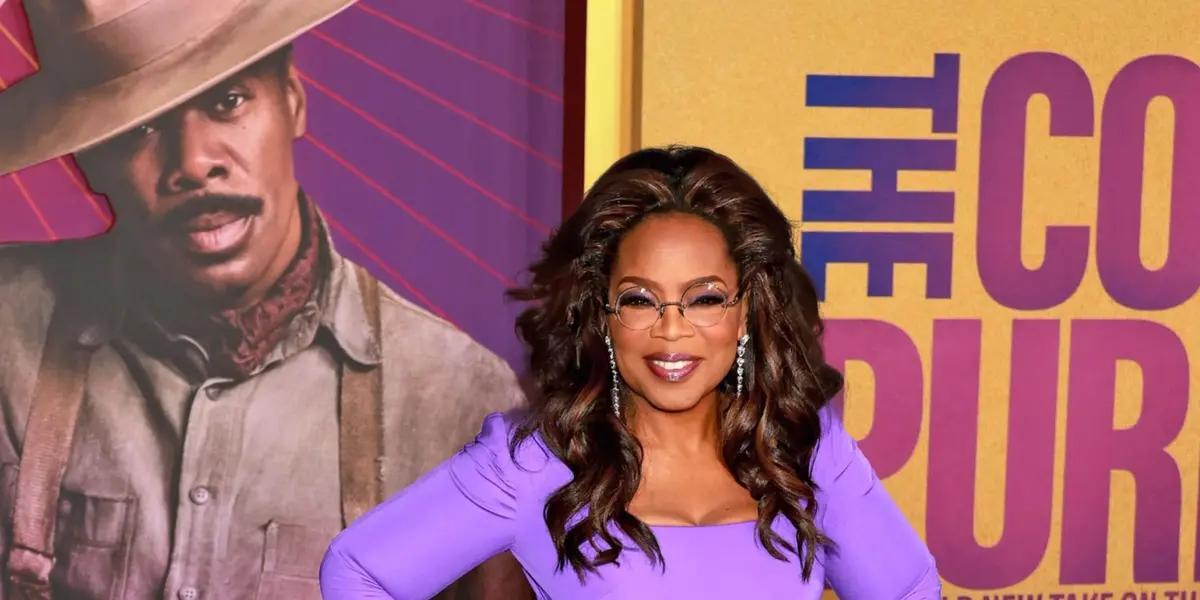
Oprah Winfrey
Built a multi-billion-dollar empire on the premise that a conversation can transform a life. Not an educator. A transformer. Her entire career is the magician archetype at scale.
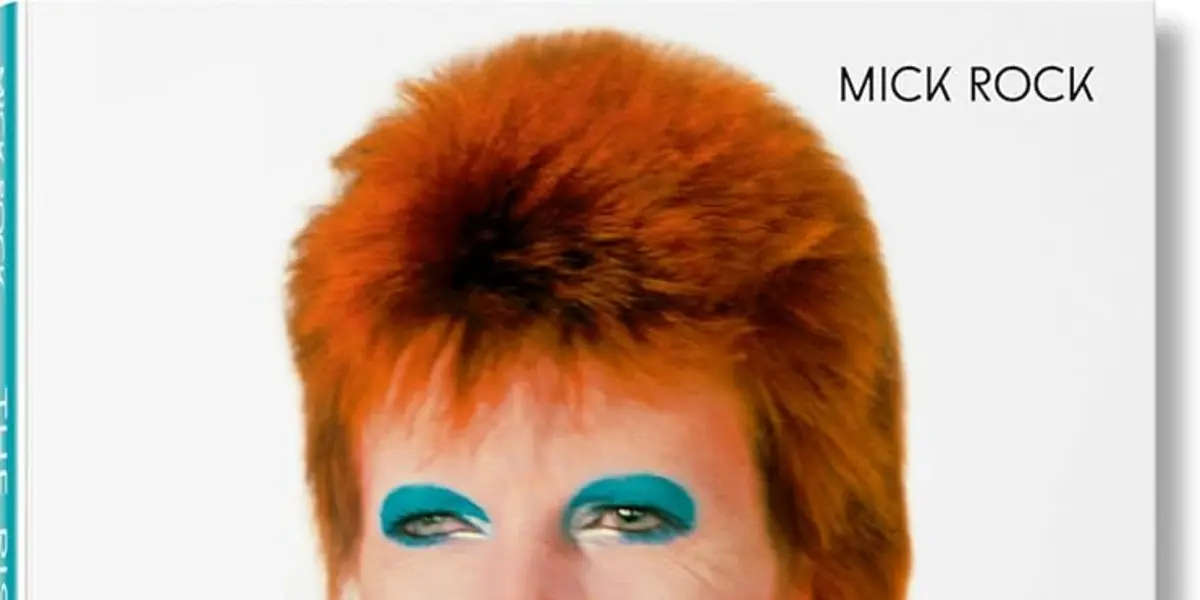
David Bowie
Turned reinvention into a lifelong identity practice. Ziggy Stardust, the Thin White Duke, the Berlin years — each transformation was complete, committed, and catalytic for everyone watching.

Beyoncé (Visual Album Era)
Stopped releasing albums and started staging revelations. Lemonade wasn't a record — it was a transformation you were invited to witness. Magician work at its most structurally ambitious.

Stevie Nicks
The mystical aesthetic that actually lives underneath the costume. Fifty years of shawls, moons, incantations — and the songwriting to back every symbol up. Never performed her magic. Just kept doing it.
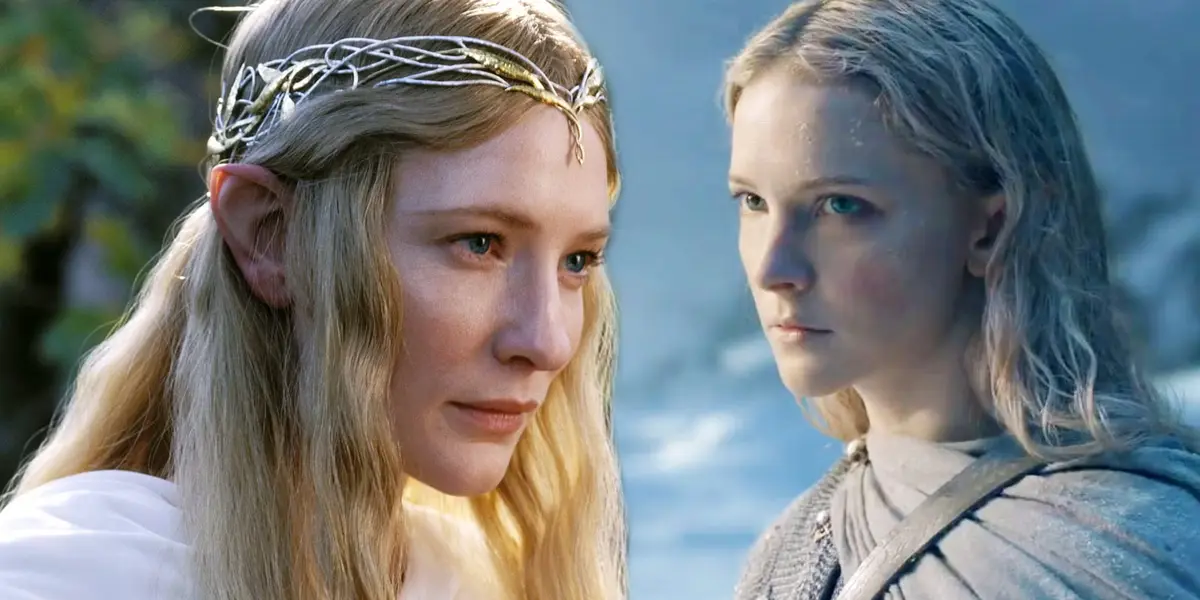
Galadriel
Doesn't do spells for show. Offers the mirror. Lets you see what you need to see and then lets you choose what to do with it. The magician as quiet catalyst, never protagonist.
Magician brands beyond Disney

Tesla
Transformation of transport itself
Not a better car company. A promise that the way we move is about to change completely. The entire brand operates on magician logic — reveal, then reshape the category around the reveal.
Disney
Imagination becomes real
The original magician brand. Every park, film, and experience is built on the same premise: what you imagined can be made into something you can walk through. Magic as infrastructure, not theme.
Apple
The keynote as ritual
Turned the product reveal into a ceremony. Every launch is staged like a magician lifting a cloth. "One more thing" is pure magician theatre — and it works because the product actually does transform how people work.
Magician Brand Messaging Examples
Sample Headlines
See yourself clearly. Build from there.
What if you're not lost — just looking in the wrong mirror?
The version of your brand you haven't met yet.
Transformation starts with recognition.
Some things can only be seen from the inside out.
"I finally see what was always there."
Magician Brand CTAs
Cross the threshold
See what's been hidden
Step into recognition
Meet yourself
Marketing Strategy
Demonstration through transformation, symbolic storytelling, client-voice recognition moments, revealing frameworks that are usually kept hidden.
When It's a Costume vs. When It's Real
This is where I'm going to get specific, and I'm not going to soften it.
The online business world is drowning in performed magician energy. The aesthetic mystics. The manifestation coaches selling a vision board as a business strategy. The Instagram-Human-Design readers who reduce entire human beings to a single type and then build a €2,000 course around that flattening. The "healers" who post tarot pulls that all say the same three things. The spaces that tell you to "be yourself" and then quietly remove you the moment you express an opinion they didn't expect.
Almost none of that is the magician. It's the costume of the magician. The aesthetic without the perceptual work underneath.
Real magician energy doesn't tell you you're not enough and then sell you the upgrade. It doesn't gatekeep your own inner knowing behind a certification. It doesn't require you to agree with everything the magician says in order to keep working with them. A real magician can hold a different opinion and still hold you — because the work was never about conversion to the magician's worldview. It was always about returning you to your own.
Spiritual bypassing is the single most common failure mode in this archetype. The refusal to look at structural problems because "everything happens for a reason." The avoidance of conflict because "good energy only." The flattening of real grief and real injustice into "lessons from the universe." That's not magician work. That's the magician costume being used to opt out of reality, and it's why so many people are suspicious of this archetype in the first place.
What real recognition actually looks like in my work, in the client's own words:
"It felt like being energetically exfoliated and finally seen by my own brand for the first time. You're like an Epsom salt bath. Your aura pulls everything buried deep inside of me to the surface."
Jenna Pinkston · Human Design Analyst & Muse of MentorsRead that back carefully. She's a Human Design analyst. She already works with identity, energy, charts. She is not a person who needs another tool or another framework or another insight. And what she named in that message is the magician moment exactly — not being handed something new, but finally being shown what was already inside her, in a form she could receive.
That's the work. Not spells. Not aesthetics. Recognition.
The magician moment isn't the deep purple moodboard. It's the second somebody catches sight of themselves in language they didn't know they'd been waiting for. It's the silence on the other end of the call right before the client says "okay, yes, that's it."
What Real Magician Work Looks Like (and What It Doesn't)
People ask me what separates my work from the ocean of spiritual business content out there, so I'll answer it directly.
Real magician work treats transformation as structural, not vibes-based. When I analyse someone's Human Design chart for brand positioning, I'm not telling them their vibe. I'm mapping the energetic mechanics of how they actually operate and then showing them how to build a business that runs on their actual wiring, not a borrowed formula. The precision comes from my auditor background. The perceptual layer comes from Gate 41 and everything stacked above it. Both things are present at the same time. That combination is not an accident — it's the thing that makes the work work.
Real magician work returns your authority to you. I don't want clients who need me to tell them what's true about themselves. I want clients who recognise what's true the moment I hand it back to them, and then go build on it without checking in with me every Tuesday. The magician's job is to facilitate the recognition, not to become the person's ongoing source of validation.
Real magician work doesn't require you to adopt a worldview. I have clients who are deeply into Human Design and clients who think it's nonsense but love the resulting brand strategy anyway. I've had clients disagree with me on political, spiritual, and business matters and continue working with me for years. Because the work was never "agree with my cosmology or leave." The work was "let me show you your pattern, and then use it however you need to use it." That's also what I refuse to give up in my own spaces — you're allowed to disagree with me out loud and still belong. The spaces that kick you out for that are not magician spaces. They're cults with nice branding.
Real magician work is uncomfortable before it's expansive. The "Let It Go" moment is preceded by the storm, not the fairy dust. Anyone promising you transformation without the part where you have to look at what you've been avoiding is selling you a costume. A real magician will sit with you while you look. That's the entire job.
Frequently Asked Questions
Want to Know If This Is Actually Your Archetype?
Most people are a blend of two or three archetypes, not just one. The combination is what makes your brand distinct. I map it from your chart in a Brand & Business Report, or live with you in an Oracle Session, using Human Design and brand archetypes. You leave knowing exactly who your brand is, who it speaks to, and how to build it.
Get the Brand & Business Report // €288 Or go live with the Oracle Session →